How Scent Lives in a Room
On Space, Air, and Everyday Life
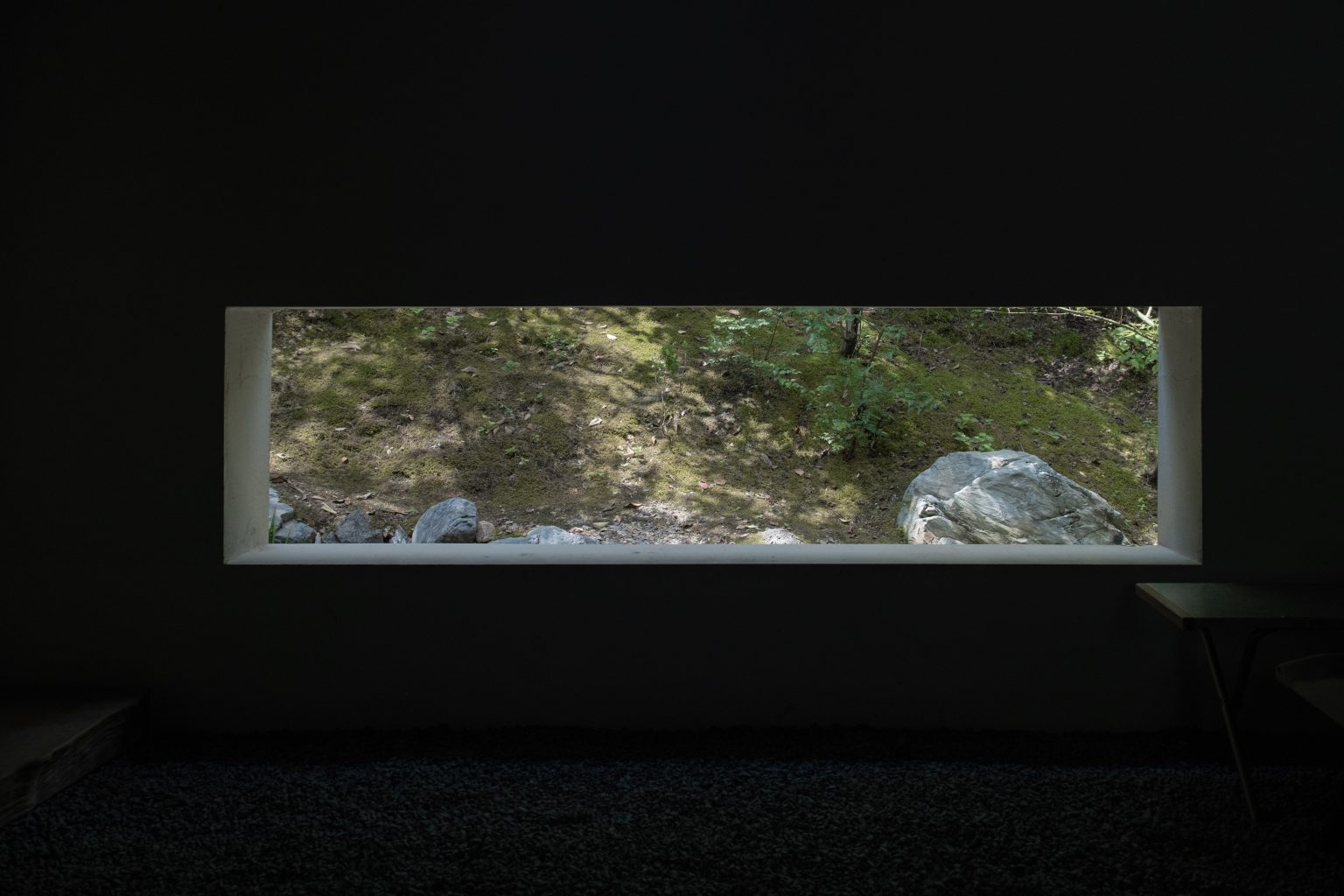
Every room has a smell of its own.
Old books, wooden furniture, freshly washed linen, or the damp air
after an afternoon of rain. We rarely notice these familiar smells
until we return from a journey or open a window after a long day.
A room already has its own collection of scents before we introduce another.
Space and Air
The same stick of incense can smell quite different from one room to another.
In a small study, its fragrance may become noticeable within minutes. I
n a spacious room with high ceilings, the scent is often much lighter.
Air circulation, temperature,
and humidity also influence how fragrance disperses and how we perceive it.
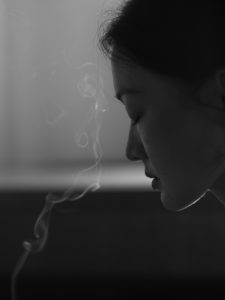
On a still afternoon, incense smoke rises in a thin, twisting line.
Open a window, and it immediately changes direction,
following currents of air that would otherwise remain invisible.
Gentle ventilation helps prevent smoke from accumulating,
while a strong draft may cause incense to burn unevenly.
Fragrance does not need to reach every corner of a room.
Sometimes it is more interesting when it comes and goes —
noticeable near a doorway, faint beside a window, and almost absent elsewhere.
Scent and Time
Our sense of smell also changes with time.
When we are exposed to the same odour for an extended period,
we gradually become less sensitive to it.
This is known as olfactory adaptation.
A scent that seemed distinct upon entering a room
may become barely noticeable after a while.
Step outside for a short walk and return,
and it may become apparent again.
Incense has a beginning and an end.
It burns for a certain period, then stops.
Its fragrance gradually disperses,
leaving the room to return to its familiar smells.
Some mornings, fresh air is enough.
On a rainy afternoon, a little woody or herbal incense may feel appropriate.
At other times, the lingering scent of tea or freshly cleaned floors is pleasant on its own.
Living with Scent
Hotels and commercial spaces often use fragrance to create a recognisable atmosphere.
At home, however, scent becomes part of something less deliberate.
We cook, read, work, bring home flowers,
open windows, and occasionally rearrange the furniture.
The smells of a room change along with these ordinary activities.
At SSLK, we work with natural aromatic materials, including woods,
herbs, and resins. Some are dry and woody, others green, earthy,
or gently warm. Their character changes subtly with the space in which they are burned.
A shorter burning period, a different position,
or simply opening a window can make a considerable difference.
Incense should always be used with adequate ventilation, away from flammable objects.
One of my favourite moments comes after the incense has finished burning.
The window is open, the room is quiet again, and a faint trace of fragrance remains.
Then, slowly, even that disappears.